


In this article
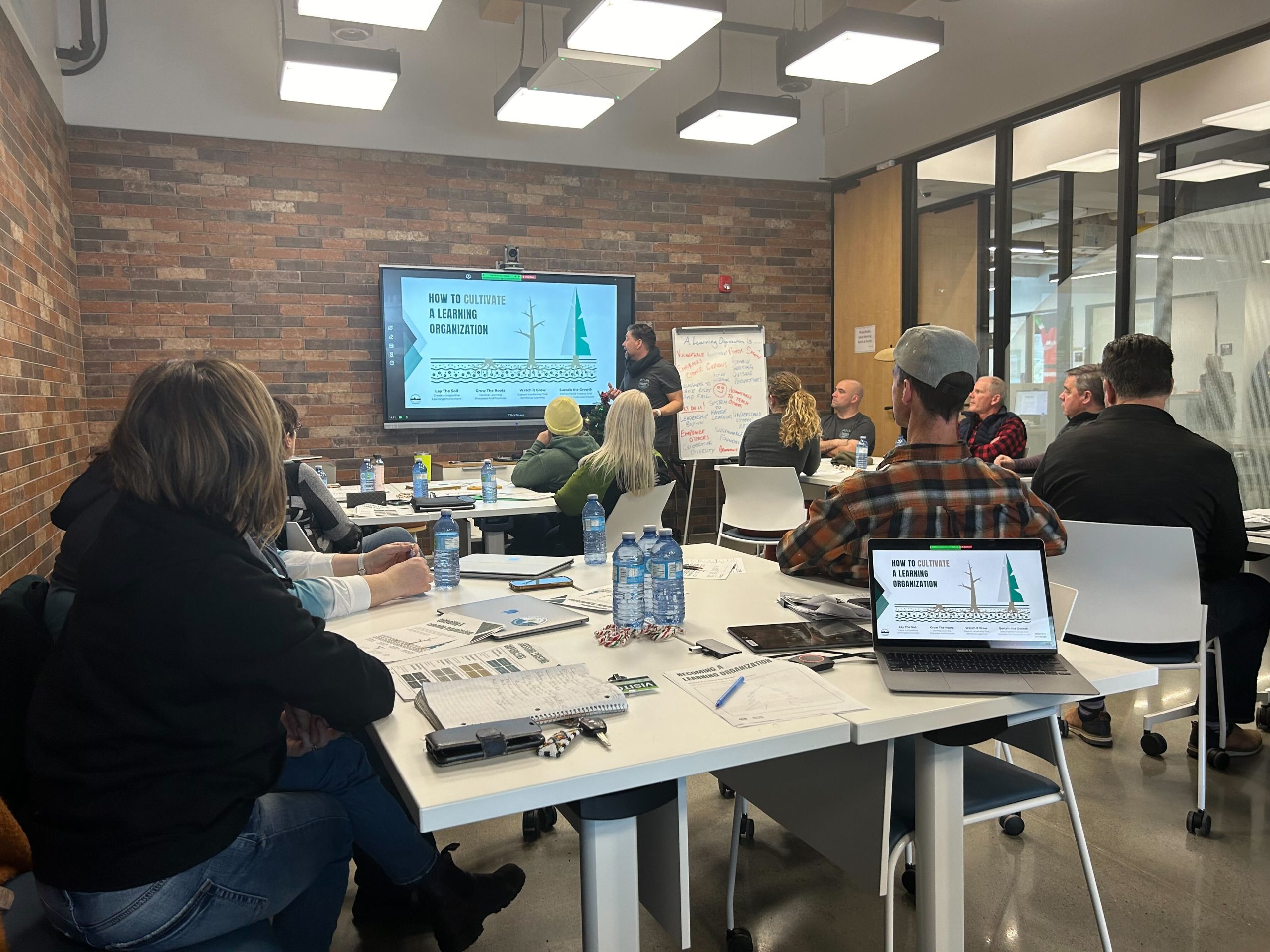
Innovation Workshops
In each workshop, participants work through their own ideas using a structured innovation process.
Find the Right WorkshopKey takeaways
Most wasted effort goes into solving the wrong problem well.
A symptom is what people see; the problem is what keeps producing it.
Look below the event to the pattern, the structure and the beliefs behind it.
The type of problem, from simple to chaotic, decides how to approach it.
Agree one sentence that says what happens, who it affects and what it costs before anyone proposes a fix.
Why Teams Solve the Wrong Problem

Definition
Problem definition
A short, agreed statement of what goes wrong, for whom, how often and at what cost, written before anyone proposes a solution.
Most organizations are good at solving problems. Fewer know how to define a problem before choosing which one to solve. A complaint arrives, a meeting is called, and within the hour the group is comparing solutions: a new tool, a new form, another round of training. Months later the fix is in place and the complaint is still there.
85%
of executives surveyed agreed that their organizations were bad at problem diagnosis
87%
agreed that this flaw carried significant costs
Source: Thomas Wedell-Wedellsborg, “Are You Solving the Right Problems?”, Harvard Business Review, January-February 2017, a survey of 106 C-suite executives from 91 companies in 17 countries.
The cause is rarely a lack of ability. A solution feels like progress and a question feels like delay. Daniel Kahneman described the quick, automatic side of judgement as fast thinking: faced with a hard question, it tends to answer an easier one, and with confidence. Defining the problem is the slow thinking that has to come first.
A Symptom Is Not the Problem
The first description of a problem is almost always a symptom: the thing people see. Orders go out late. Customers complain. A project misses its date. Each is real, and each is the visible end of something that keeps producing it.
Unbounded Thinking teaches a four-level Root Cause Model, our version of the iceberg model from systems thinking, to look below what people see. Each level asks a different question and opens a different kind of response. Take a team whose orders keep going out late:
1
Event
Three orders went out late this week. Response: chase them.

2
Pattern
Late orders cluster at month end. Response: plan for it.
3
Structure
Large orders wait for one manager’s sign-off. Response: change the rule.
4
Mental model
Any risk is worse than a delay. Response: change the belief.
Most fixes are aimed at the event, because the event is what reached the meeting. Overtime clears this week’s late orders, and next month’s arrive on schedule. The problem worth defining usually sits at the structure: the rule, the handover or the measure that produces the same event again and again. The belief underneath explains why no one has changed that rule.
The same holds for innovation itself. In our workshops we put it this way:
Organizations don’t have an innovation problem. They have an innovation system problem.
Name the Type of Problem
Problems also differ in kind, and the kind decides how to approach them. The Cynefin framework, developed by Dave Snowden, sorts problems by how much is known about cause and effect. We teach it with everyday examples:
Simple
Baking a Cake
The facts are known and there is evidence for them. Follow the recipe that works.
Complicated
Building a Car Engine
The gaps and risks are known. Bring in expertise and analyze before acting.
Complex
Managing a Team’s Dynamics
Some of what matters is unknown, or seen through a bias. Run small tests and learn.
Chaotic
Responding to a Crisis
The gaps are unknown. Act first to stabilize, then define the problem.
The most common mistake is to treat a complex problem as a complicated one: to commission an analysis and a plan for something only small tests will reveal. Low engagement, slow adoption and poor collaboration between departments are usually complex. A definition of a complex problem should say what is known, what is assumed and what a first test would show.

In practice. Before a problem goes on a meeting agenda, write its type beside it. If the group disagrees about the type, that disagreement is the first thing to discuss.
How to Define a Problem in Five Steps
A good problem definition fits in one or two sentences and can be checked against the facts. For most problems these five steps take less than an hour.
1
Describe what happens, not what is missing
“We have no scheduling tool” describes a missing solution. “Shift changes are confirmed by phone, and one in ten is missed” describes a problem.
2
Say who it affects and how often
Name the people, teams or customers involved, and put a number on how often it happens.
3
Say what it costs
Time, money, quality, safety or people leaving. A problem with no cost attached rarely gets a decision.
4
Look below the event
Ask what has been happening, then which rule, role or measure keeps producing it.
5
Agree one sentence
Write the problem in one sentence and check it with the people who live with it. If they do not recognize it, it is not yet defined.
The difference shows when vague statements are rewritten as problems:
Instead of
We need a new CRM
Staff need more training
Communication is poor
We need to innovate more
Try this
One lead in five gets no follow-up after the first call
New hires take four months to handle a full workload
Changes to a job reach the site crew a day late
Ideas from the front line wait months for a decision
Define the Problem With the People Who Live With It
The people closest to a problem see the pattern long before a report does. A front-line team can usually say when the problem happens, how they work around it and which rule makes it worse. A definition written without them describes the problem as it looks from a meeting room.
Bring together three to six people who experience the problem and the person who owns the decision, for one hour. Ask them to describe the last three times it happened, before anyone mentions a solution. The pattern is usually visible by the second example.
Once the problem is agreed, finding ideas becomes much easier, because everyone is solving the same thing. Our article on how to run a brainstorming session that ends in decisions picks up from there, and the guide What Is the Innovation Process shows where defining the problem sits on the way from idea to result.

Workshops and Certification
Innovation Workshops
In each workshop, participants work through their own ideas using a structured innovation process.
Problem Definition Checklist: Before You Fund a Fix
Use these six checks before any solution is approved, whatever its size.
Before anyone proposes a solution
The problem describes what happens, not a missing tool or process.
It names who is affected and how often, with a number.
It states what the problem costs.
It has been traced below the event to a pattern and a structure.
Its type is named: simple, complicated, complex or chaotic.
The people who live with it recognize it in one sentence.
A definition that passes all six is worth funding a solution for. One that does not is worth another hour, which costs far less than a fix that misses. When the definition holds, our article on how to present an idea to your boss shows how to ask for a small first test.
Limited-time Q4 offer
Innovation Process Certification at 50% Off
Your team can build this on a real problem in our two-day Innovation Process Certification, for up to 10 people. Alberta organizations that book by 30 November pay half our medium business price.
Frequently Asked Questions
What is problem definition?
Problem definition is a short, agreed statement of what goes wrong, for whom, how often and at what cost, written before anyone proposes a solution. It keeps a team from solving the wrong problem well.
How do you define a problem in business?
Describe what happens rather than what is missing, say who it affects and how often, state what it costs, trace it below the visible event to the rule or structure that produces it, and agree one sentence with the people who live with it.
What is the difference between a symptom and a problem?
A symptom is what people see, such as late orders or customer complaints. The problem is what keeps producing it, usually a rule, a handover or a measure. Fixing the symptom brings relief until it returns.
What is the Root Cause Model?
The Root Cause Model is Unbounded Thinking’s four-level way of looking at a problem, adapted from the iceberg model in systems thinking: the event (what happened), the pattern (what has been happening), the structure (the rules, norms and policies) and the mental model (the beliefs that keep the system in place).
What are the four types of problems?
In the Cynefin framework, developed by Dave Snowden, problems are simple, complicated, complex or chaotic, depending on how much is known about cause and effect. Each type calls for a different approach, from following a known recipe to acting first in a crisis.
Why do teams jump to solutions?
A solution feels like progress and a question feels like delay. Quick, intuitive judgement tends to answer an easier question than the real one, so teams fix what they can see rather than what produces it.
About the author

Shannon Phillips
Co-Founder and Innovation Strategist
Designs structured innovation systems for enterprise organizations and helps leadership teams set priorities that reflect how the organization operates.
Related Articles

Employee Ideas
How to Run a Brainstorming Session That Ends in Decisions

Employee Ideas
How to Present an Idea to Your Boss: Ask for a Small Test

Knowledge Hub